Labs · Energy
Measure idle energy before promising savings
Estimate avoidable device electricity, establish a measured baseline, and understand why energy-saving software claims need real operational evidence.

The takeaway
An energy estimate is a scenario. A verified reduction requires measured before-and-after use under comparable conditions.
1. Start with a measured baseline
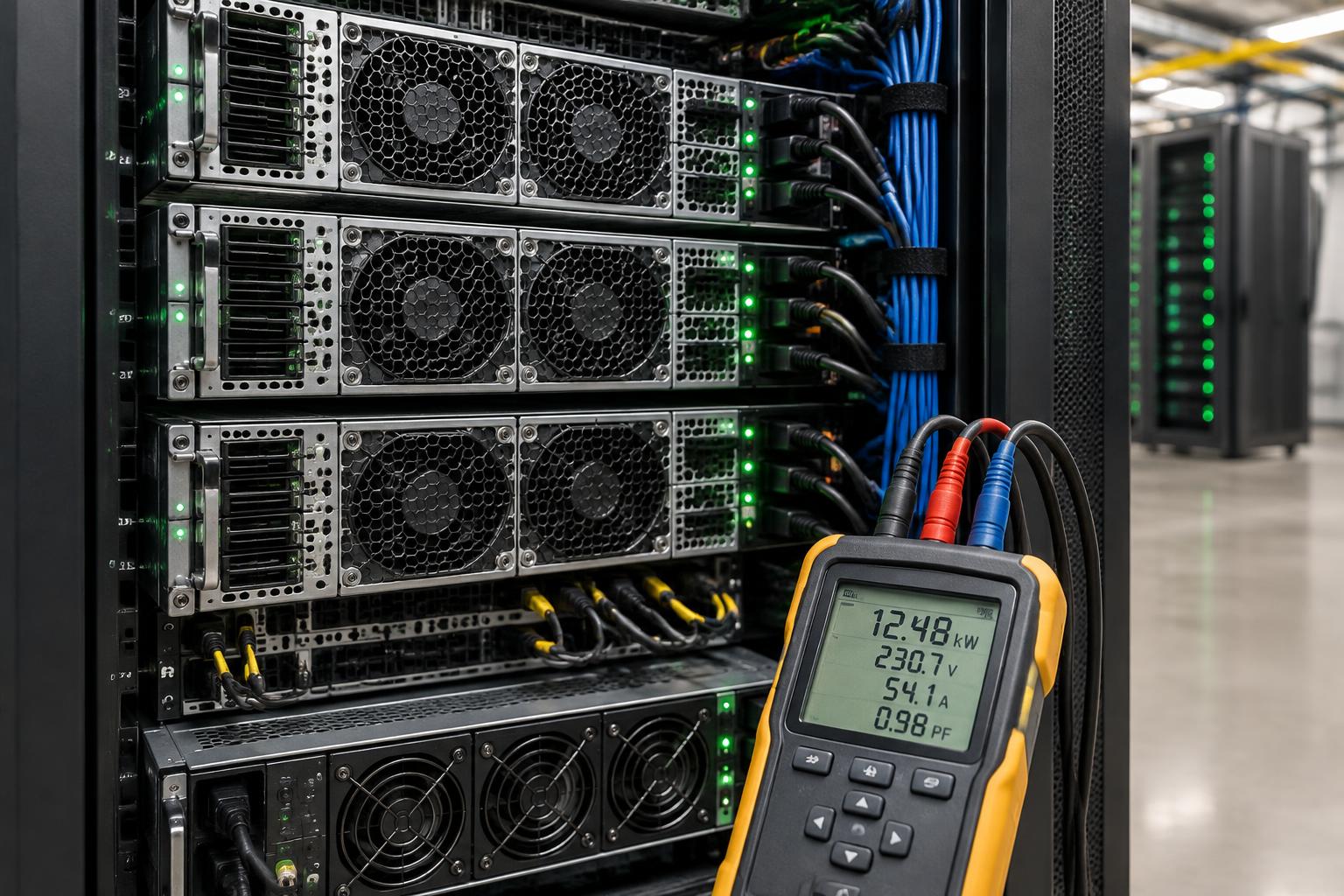
Inventory devices and their operating schedules before changing settings. Measure idle and sleep power with suitable equipment, or use documented device measurements with their limitations stated. Do not assume the nameplate wattage equals ordinary electricity use.
Compare similar operating periods and note changes in occupancy, workload, weather, or equipment. Record both electricity use and whether the business task still completes correctly. Avoid disabling essential systems merely because they appear idle.
2. Calculate a transparent scenario
The Labs energy tool uses devices × avoidable watts × hours avoided per day × operating days ÷ 1,000 to estimate annual kilowatt-hours. Multiply by the electricity price per kilowatt-hour to estimate the corresponding energy charge.
For an illustrative scenario of 10 devices, 50 watts avoided, 8 hours a day, and 260 days, the result is 1,040 kWh. At an entered price of $0.15 per kWh, that is $156 in annual energy charges. These are example inputs, not measured SkyHub results, approved service prices, or guaranteed savings.
The estimate excludes purchase costs, maintenance, utility demand charges, and effects on heating and cooling. Enter the difference between operating states rather than the device's total power if some consumption remains.
3. Look beyond one device
Data-center energy includes IT equipment and supporting infrastructure. DOE publishes guidance on evaluating data-center design and operational efficiency. Apply recommendations to the actual environment with qualified operators; office-device estimates should not be extrapolated to a data center.
ENERGY STAR's data-center score is a peer-relative percentile score for qualifying buildings, not a direct savings forecast. Benchmarking helps place performance in context, while measured trials help determine whether a specific change reduces consumption.
Export a scenario from the playground, document its assumptions, and compare it with measured use after a controlled change. Report what changed and what remained uncertain rather than attaching a percentage saving to software without evidence.
- Measure power in the relevant operating states.
- Protect essential workloads and availability.
- Use the actual utility rate and document exclusions.
- Compare measured results with the original scenario.